Why Impact Window Installation Matters for South Florida Homes
@myimpactwindowinstallationbase
Living in South Florida means living with the reality of hurricane season. Every year, homeowners face the same question: is my house ready for the next big storm? Windows are often the weakest point in a home's defense. A standard window can shatter under debris impact, letting wind and water inside and causing catastrophic damage. That is where impact window installation becomes more than an upgrade. It becomes a necessity.
I have worked in this region for decades, and I have seen what happens when windows fail. The difference between a home that weathers a storm and one that doesn't often comes down to how the windows are put in. Impact window installation is not just about the glass. It is about the frame, the seal, and the anchorage to the structure. Get those details right, and the window can take a hit from a two-by-four traveling at 50 feet per second. Get them wrong, and you might as well have a regular window.
What Makes a Window Impact-Resistant
Impact windows use laminated glass, which is basically two layers of glass bonded with a plastic interlayer. When something hits the glass, it may crack, but the interlayer holds the pieces together. That keeps the opening sealed. But the glass is only part of the story. The frame must be strong enough to stay in the opening under pressure. Aluminum frames are common, but the thickness and reinforcement matter. A flimsy frame can twist or pull away from the wall under wind load, and then the whole window fails.
The real test comes from the installation itself. The gap between the frame and the rough opening must be filled with proper shims and foam, not just caulk. The fasteners must go into the structure, not just the sheathing. I have seen installers use short screws that barely bite into the wood. That saves time but costs safety. A proper impact window installation uses long screws or expansion anchors that tie the frame to the concrete block or structural wood behind the finish.
How Installation Affects Performance
I once consulted on a house where the owner had spent a lot on impact windows but still had leaks during a tropical storm. The windows were certified. The glass was laminated. The problem was the installation. The gaps around the frame had been filled with low-expansion foam that shrank over time. The exterior sealant had been applied over dust and moisture, so it never bonded right. Within a year, there were gaps you could slide a credit card through. That is not impact window installation. That is a window set in a hole and called done.

Good installation starts with preparation. The opening must be square and clean. The sill must be sloped slightly outward so water does not pool. A proper pan or flashing system should be installed at the bottom to direct any water that gets past the frame back outside. Then the window goes in with a level and a square check. Shims go where the frame needs support, not just where it is easy. The frame is fastened at every specified point, usually every 18 inches or less for high-wind areas.
Connect with us on YouTube.
The next step is the seal. Backer rod goes into the gap, and then a high-performance sealant like polyurethane or silicone is tooled in. This is not a cosmetic bead. It is a structural part of the assembly. The sealant must bond to both the frame and the wall material. If the wall is stucco, the surface must be clean and primed. If it is concrete, the same. I always recommend a sealant with at least 50 percent elongation, because the frame and wall will move at different rates under wind pressure.
Common Mistakes to Avoid
Over the years, I have seen the same problems again and again. Here are a few that matter most:
- Using standard window installation methods meant for low-rise buildings in calm climates. They do not work here.
- Overlooking the weep holes. Impact windows have weep slots to let condensation and trapped water drain. If those get blocked by sealant or foam, water backs up inside the frame.
- Relying on expanding foam alone to hold the window. Foam is a filler and insulator, not a structural fastener. The screws and anchors do the real work.
- Skipping the inspection after installation. Every window should be tested with a hose spray or at least a visual check for gaps and seal continuity.
These details might seem small, but in a hurricane, they are the difference between dry and destroyed. I have seen houses where every window survived the storm except one, and that one failed because of a poor seal at the jamb. That single failure let in enough water to ruin flooring and drywall for an entire wing of the house.
When to Invest in Impact Windows
If you are building a new home in South Florida, impact windows should be in the plan from day one. Retrofitting is possible, but it costs more and requires careful matching of the frame to the existing opening. For existing homes, the best time to upgrade is when you are already doing exterior work. If you are replacing siding, stucco, or roofing, that is a good moment to pull the old windows and put in impact-rated ones with a proper impact window installation.

The Florida Building Code has strict requirements for windows in the High-Velocity Hurricane Zone, which covers Miami-Dade and Broward counties. Windows must pass missile impact tests and cyclic pressure tests. But passing a test does not guarantee performance in the field. That depends on the installation. I have seen certified windows fail because they were installed by crews who did not understand the code requirements or the local conditions.
Finding the Right Installer
Not every window company has the same level of experience. Look for an installer who has done work in your area for years and can show you references from recent hurricane seasons. Ask about their fastener schedule and sealant brand. A good installer will be happy to walk you through their process. They should also have the proper insurance and licensing, including a Florida state contractor license if the job includes structural work.
I also recommend asking about the warranty. Impact windows come with a manufacturer's warranty on the glass and frame, but the installation work is usually covered by the installer. Make sure you know what is covered and for how long. A one-year warranty on labor is common, but I prefer to see at least two years for sealant and flashing work, because some issues only show up after a full weather cycle.
Long-Term Benefits Beyond Storm Protection
Impact windows also improve energy efficiency. The laminated glass and tighter seals reduce heat transfer, which keeps the interior cooler in summer. That means lower air conditioning bills. The windows also reduce outside noise, which is a nice bonus in busy neighborhoods. And because the glass is harder to break, impact windows add a layer of security against break-ins. They are not burglar-proof, but they slow down entry by a lot.
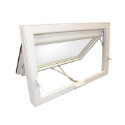
But the main reason to choose them is peace of mind. When a hurricane warning comes, you do not want to spend the day boarding up windows. With impact windows, you can leave them uncovered and know they will hold. That is a real quality of life improvement for anyone living in a storm-prone area.
LockTight Impact Windows, Doors, & Roofing, located at 2200 SW 45th St #101, Fort Lauderdale, FL 33312, can be reached at +1 954-500-5625, and they have been serving South Florida for over 50 years with a focus on impact-rated products and top customer ratings.